
Hero
Better pages start with better components.
Aero Page Builder is the component system behind the Drupal sites that do the work — membership, programs, publishing — without a developer in the loop.
These websites do the work
Marks from live Aero client sites. Hover to pause; each logo opens the case on aero.net where one exists.















One platform for every page
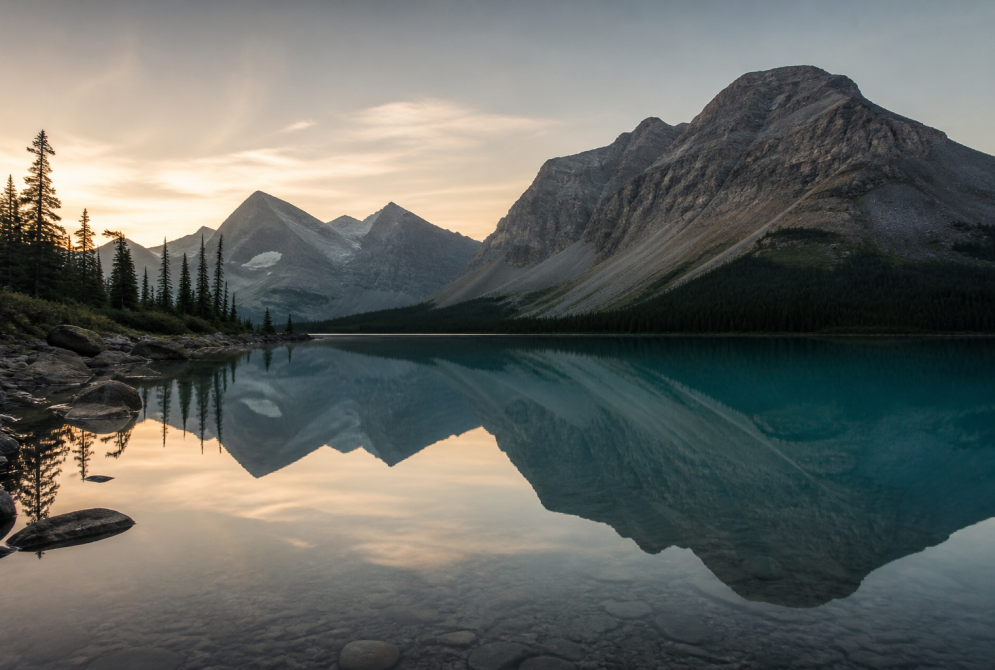
Simulations for every layout, system, and workflow — except here the “simulation” is the real product. Fifteen components an editor composes into pages like this one.
What the editor actually does
Three moves, one field vocabulary. Learn a component once and the next one feels familiar.
Add a component, fill in its fields, publish. Width, columns, and color style are the same ideas everywhere.
Every section is fields, not freeform markup. Restyle a component once and every page follows.
Slideshows, carousels, and galleries with crops and a lightbox that ship in the box.
Quote
“We have complete visibility into the pages editors ship. We can verify a component is ready before it reaches members.”
The numbers
Forest
Ramp editors faster, raise the quality of every page, and spend less time building one-off templates, while continuously improving across your sites.
The terrain, in motion
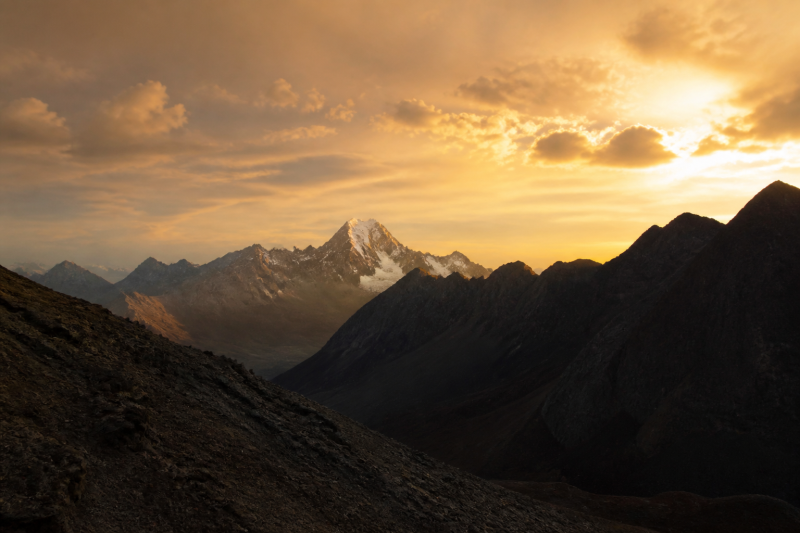
A carousel of the landscapes this page is built from — the same component an editor drops onto a program catalog.
-
 Ridge at last light
 -
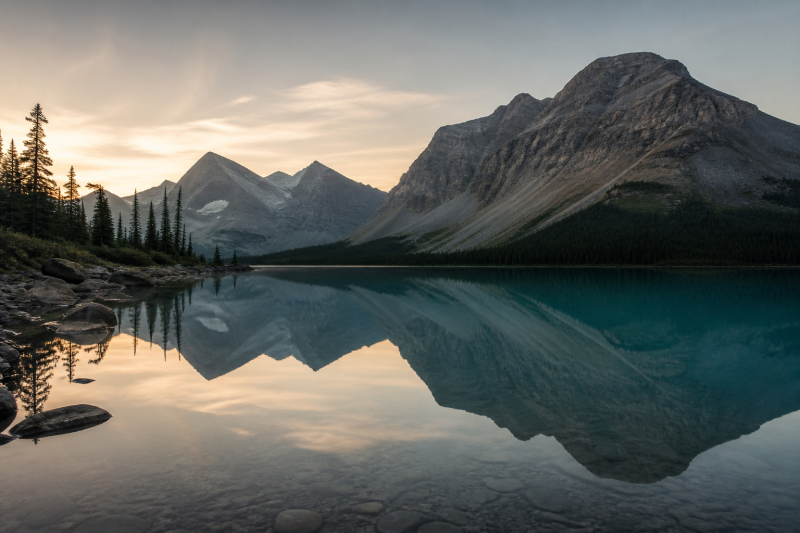 Alpine water
 -
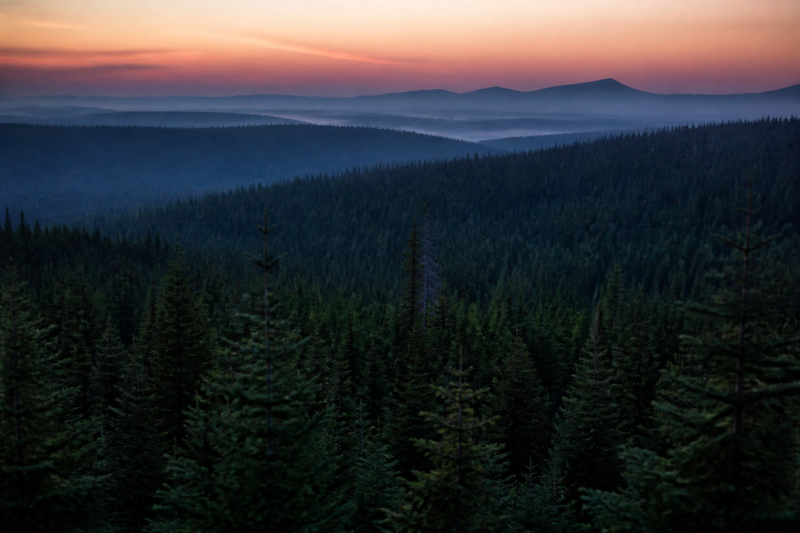 Forest overlook
 -
 The destination
Questions before a kickoff
Because APB has to look like more than one kind of site. The cream typographic page is one register. This photographic one is another — same components, different theme, same tagged code.
Yes. They are the logos from the “These websites do the work” strip on aero.net, rasterized for the Infinite logos component (which accepts PNG, not SVG).
No. The landscapes are page content, the way a client would upload their own. The component is Slideshow, Carousel, and Simple content — the images are yours.
The same tagged modules. Composer pins the release. Editors get the paragraph field on the types you choose. This demo is not a prettier parallel universe.
Close
We know the terrain. You know the destination.
We would rather walk the product with you than send a PDF.