
Hero
Aero Page Builder — Showcase
The editor,
multiplied.
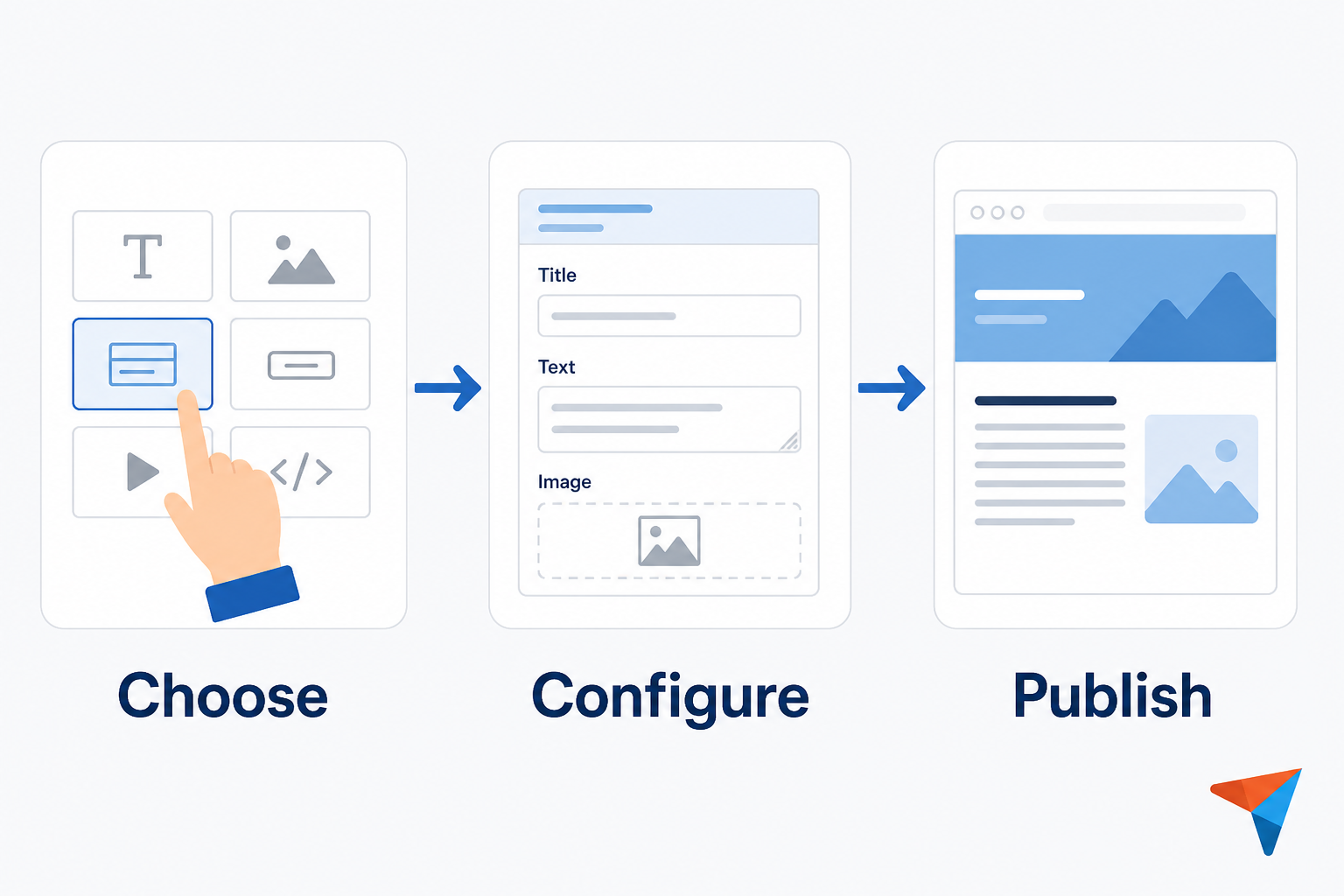
Aero Page Builder is the component system Aero ships on every Drupal client site — fifteen matched components an editor composes into pages like this one, without a developer in the loop. Everything below this header is APB.
Fifteen components, in motion
The full set. Hover to pause; click any card to open its live example page.







Why APB exists
Purpose
Page building didn’t get harder. It got stuck — every “quick section” became a custom block nobody could reuse, on every site, every year.
APB replaces the graveyard of one-off templates with one component system every Aero client shares. Build the page today; keep the system for a decade.
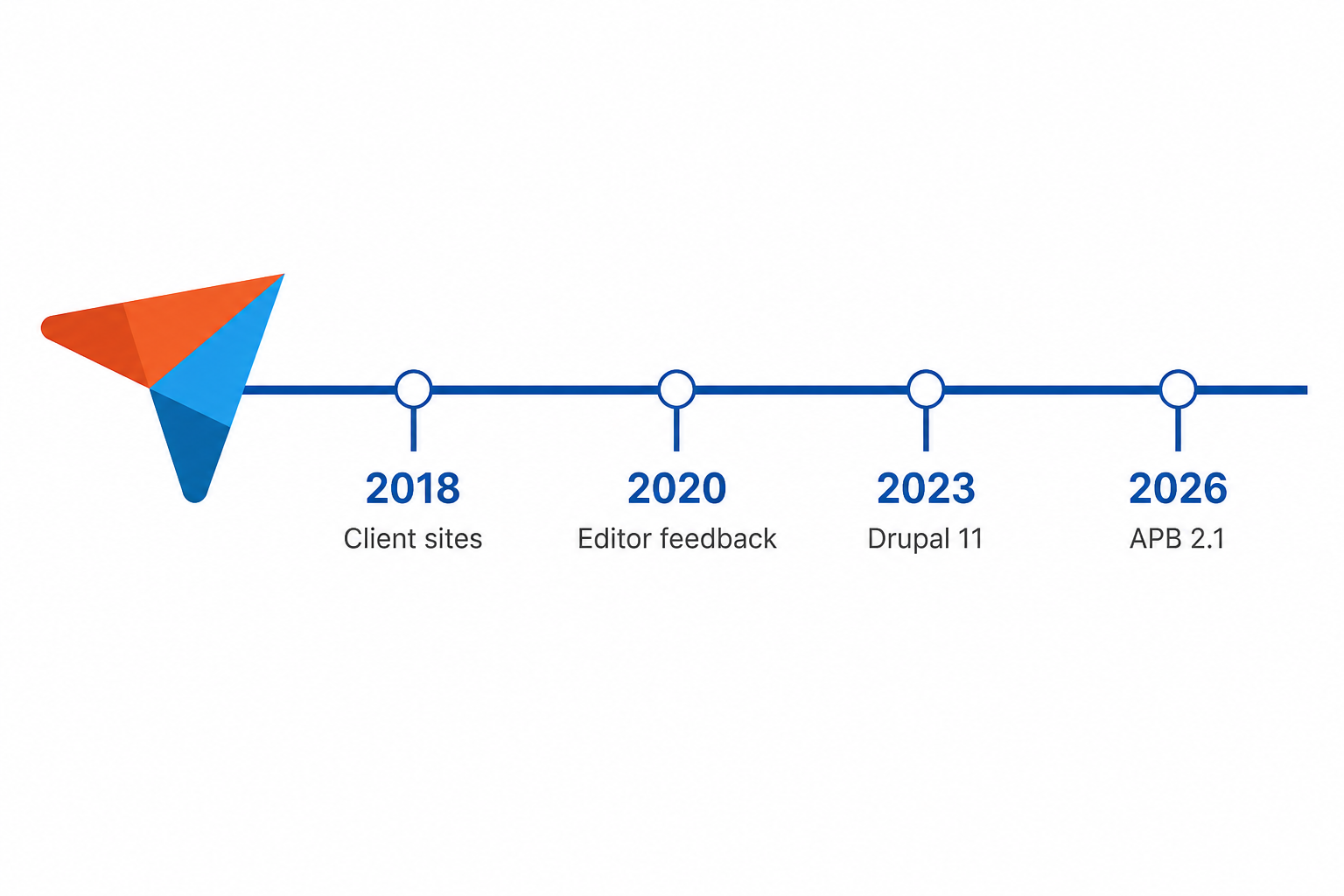
Eight years, four Drupal majors
APB was not designed in a sprint. Every component and every field earned its place on a production client site.
The long version
APB started because the same conversation kept happening on client work. An editor wanted a band of cards on the homepage. A developer built it as a custom block. Six months later the editor wanted a second band, slightly different, and the block could not stretch. Multiply that by every client and every year, and you get either a graveyard of one-off templates or a system.
We chose the system. Version 1 spent years on production Drupal 8 and 9 sites — membership organizations, schools, nonprofits — the kind of properties where the site outlives the staff who launched it. Every awkward field label got renamed because a real person misread it. Every default got picked because someone shipped a page we did not love.
Version 2 is the rebuild for the Drupal 10 and 11 era: the same job with cleaner field contracts, tagged releases, and a distribution that installs the same way twice. The fifteen components on this page are not a roadmap slide. They are what survived eight years of editors telling us what they actually needed. Every Aero client on Drupal 8 through 11 runs this system — and upgrades with it.
What editors can do with it
Six capabilities, one field vocabulary. Learn a component once and the next one feels familiar.
The reusable set
Fifteen components in four families. Every link opens a frozen live example — the same pages our documentation records.
The workhorses. Multi-column layout templates, card grids, icon lists, and long copy that folds politely.
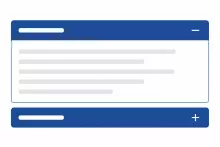
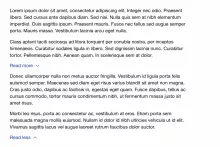
Simple content Feature box Special list Accordion Tabs Read more
Full-bleed heroes, product strips, lightbox galleries, and video — with crops and players included.
Buttons and card links, invisible overlay triggers, and the scrolling strip you saw at the top of this page.
Dynamic by design
These cards are a live Drupal View dropped onto the page and set to render as boxed cards. When the source content changes, this section follows — no page edit involved.
Felis quisque nulla fusce ipsum vel mi sit sit et portaest commodo dolor vel accumsan congue massa varius nec a mi nisi tristique accumsan consectetur.
Portaest sed quisque tempus nunc morbi…

Felis quisque nulla fusce ipsum vel mi sit sit et portaest commodo dolor vel accumsan congue massa varius nec a mi nisi tristique accumsan consectetur.
Portaest sed quisque tempus nunc morbi…

Felis quisque nulla fusce ipsum vel mi sit sit et portaest commodo dolor vel accumsan congue massa varius nec a mi nisi tristique accumsan consectetur.
Portaest sed quisque tempus nunc morbi…
Drupal 8 → 11, one component language
Version 1 shipped in 2018 on Drupal 8 and carried client sites through the Drupal 9 upgrade without page rebuilds. The editor experience — components with fields, not freeform layouts — dates from here.
The component set settled at fifteen, and the field vocabulary (width, columns, color style, placement) became a contract. Editors who learned APB on Drupal 8 kept their muscle memory.
The current rebuild: nineteen Composer packages pinned to tagged releases, one install profile, Drupal 11.4 underneath. This page runs on it.
Content is paragraphs and fields, so it survives major upgrades. Aero updates the modules by Composer tag, runs the database updates, and the pages editors built keep rendering — that is the whole story.
One system across every site means fixes ship once, editors move between projects without retraining, and no client is stranded on a bespoke page builder that only its original developer understood.
The numbers
Honest ones. This demo runs the same tagged code a client gets.
A closer look
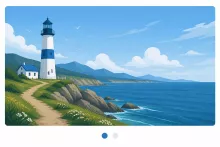
Marketing art straight from the media library. Click any image — the lightbox ships with the component.


Build the next site on components you own
We would rather walk the product with you than send a PDF.